Virtual Networks: Pathways to Niche Promotional Discoveries
Paul Braun · Jul 19, 2026
Virtual Networks: Pathways to Niche Promotional Discoveries
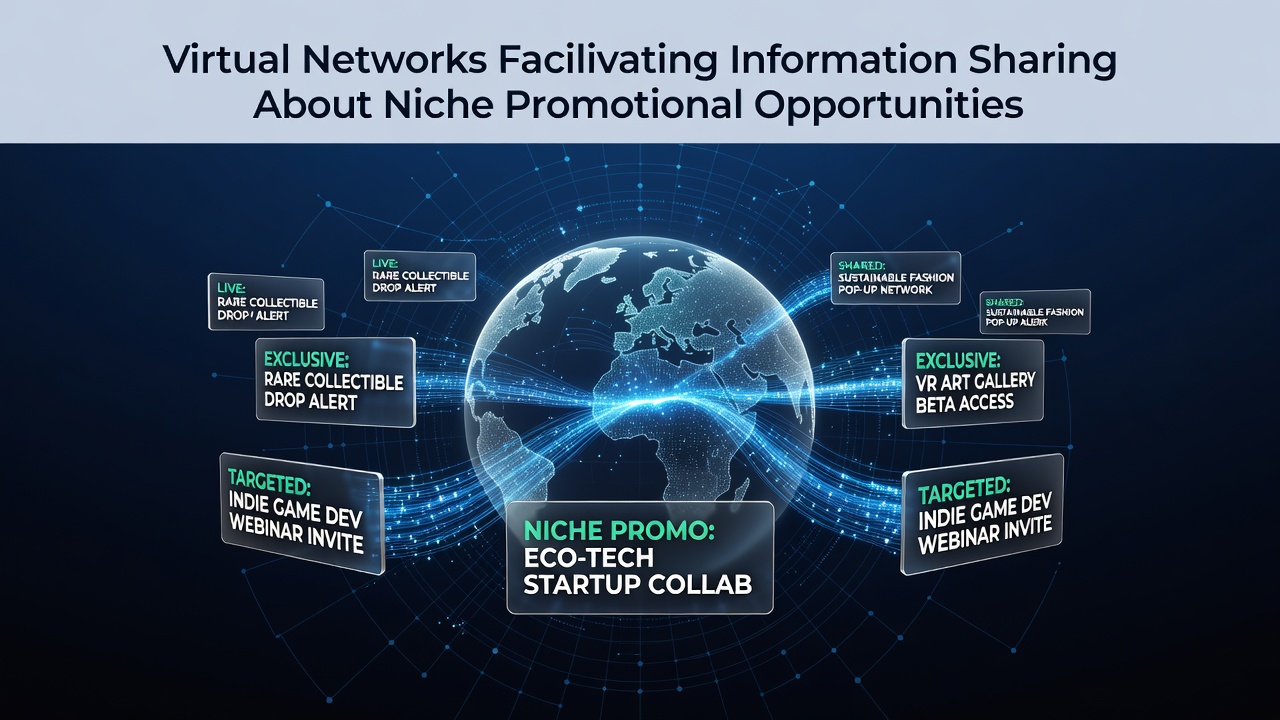
Virtual networks have emerged as key channels for distributing details on specialized promotional events that rarely appear in mainstream media channels, and these systems connect participants through forums, messaging apps, and community platforms where alerts about targeted contests circulate rapidly among interested groups. Data from various digital engagement studies shows that such networks often operate around shared interests like regional travel giveaways or hobby-specific product trials, allowing members to post entry requirements and deadlines that might otherwise stay hidden from wider audiences.
Platform Structures and Information Flow
These networks typically rely on invitation-based groups or moderated discussion boards that filter content to maintain focus on verified opportunities, while moderators review submissions to reduce duplicate posts or unconfirmed claims about eligibility rules. Research indicates participants exchange screen captures of entry forms along with notes on regional restrictions, and this collaborative approach helps individuals navigate complex terms that vary by location or participant demographics. In July 2026 observers noted increased message volume on several established platforms as new contest cycles launched in areas such as home improvement product trials and limited-edition travel vouchers.
Moderation practices differ across networks, yet many adopt automated keyword filters combined with human review to flag potential misinformation about prize values or submission methods. Those who monitor these systems report that active members frequently cross-reference details from multiple sources before posting summaries, which creates a layer of collective verification that standalone websites rarely achieve on their own.
Geographic and Interest-Based Segmentation
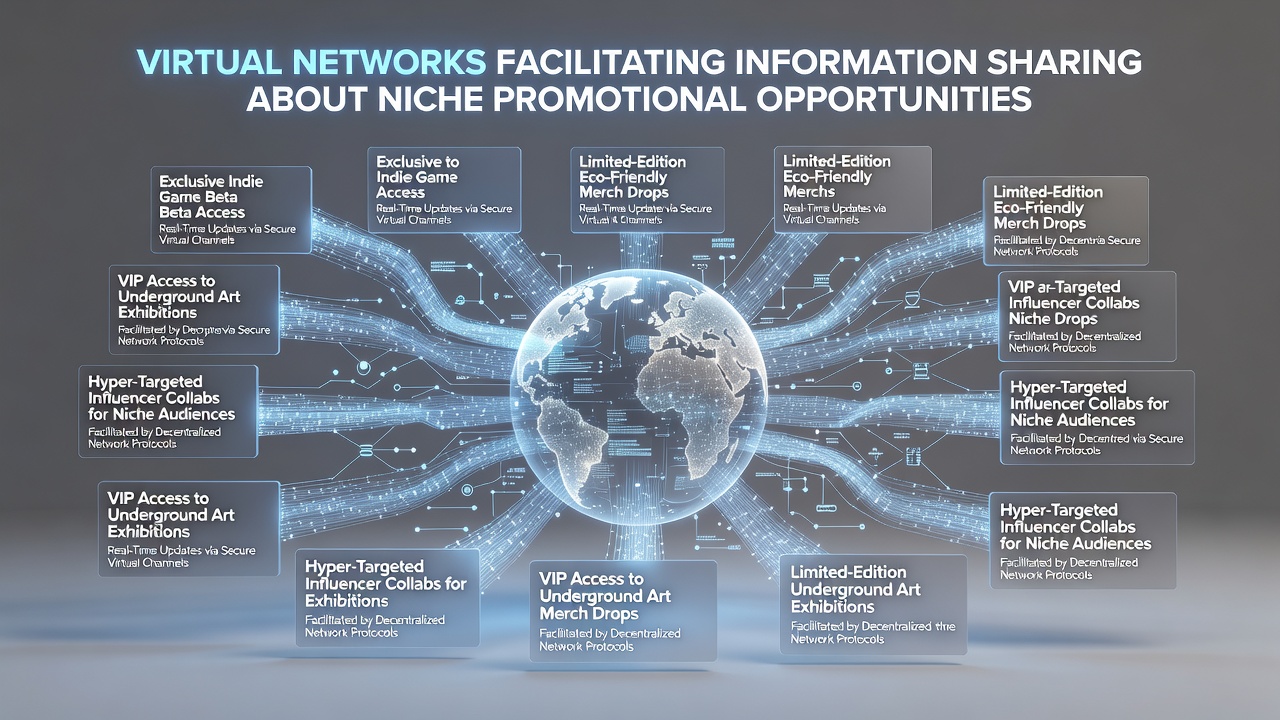
Segmentation within virtual networks often follows geographic lines or thematic categories, enabling users in specific countries to receive alerts about local regulations that affect contest participation. For instance, members in one region might share updates on Canadian digital commerce guidelines that influence how certain sweepstakes handle tax reporting, and similar groups in other areas track comparable rules from European regulatory bodies. This targeted distribution reduces the time individuals spend searching scattered official announcements, since compiled threads gather relevant links and summaries in one accessible location.
Academic analyses of online community behavior, including a report from the University of Melbourne's digital media research unit, highlight how interest-based segmentation leads to higher retention rates among participants who seek recurring niche promotions rather than broad national contests. The study found that networks centered on particular themes, such as eco-friendly product giveaways, maintain consistent activity levels because members develop shared vocabularies for discussing entry strategies and result notifications.
Integration with External Data Sources
Many networks incorporate feeds from government consumer protection agencies to supplement user-generated content, and this practice appears in groups that reference updates from the Australian Competition and Consumer Commission alongside member experiences. Such integrations allow participants to cross-check promotional legitimacy against official records before investing time in lengthy entry processes. Industry associations focused on digital marketing have also begun publishing aggregated statistics on network-driven participation rates, showing measurable increases in entries for specialized events when information spreads through these channels rather than through general advertising.
Security considerations receive regular attention within these communities, where members discuss methods for protecting personal data during submissions, and established groups often maintain resource threads that compile best practices drawn from multiple participant accounts. This ongoing exchange supports safer engagement patterns without requiring each individual to research independently.
Measurement of Network Effectiveness
Effectiveness metrics collected by platform administrators typically track metrics such as message response times and successful entry confirmations reported by members, and these figures reveal patterns in how quickly niche opportunities reach interested audiences. One industry report compiled by the Interactive Advertising Bureau in North America documented that segmented virtual networks achieved faster dissemination of time-sensitive promotional details compared with open social media channels, primarily because relevance filters limit irrelevant noise. Participants who engage consistently note that the structured flow of information reduces the cognitive load associated with monitoring multiple unrelated sources.
Conclusion
Virtual networks continue to serve as specialized conduits for information about niche promotional opportunities, and their segmented structures along with verification practices support efficient sharing among targeted user groups. As activity levels evolve, including the patterns observed in July 2026, these systems demonstrate measurable impacts on how individuals locate and engage with contests that fall outside standard promotional channels. Continued integration with regulatory updates from diverse regional authorities further strengthens the reliability of information circulated through these networks.