Prize Pool Dynamics: How Budget Allocations Influence Contest Frequency Throughout the Year
Jonas Schmid · Aug 5, 2026
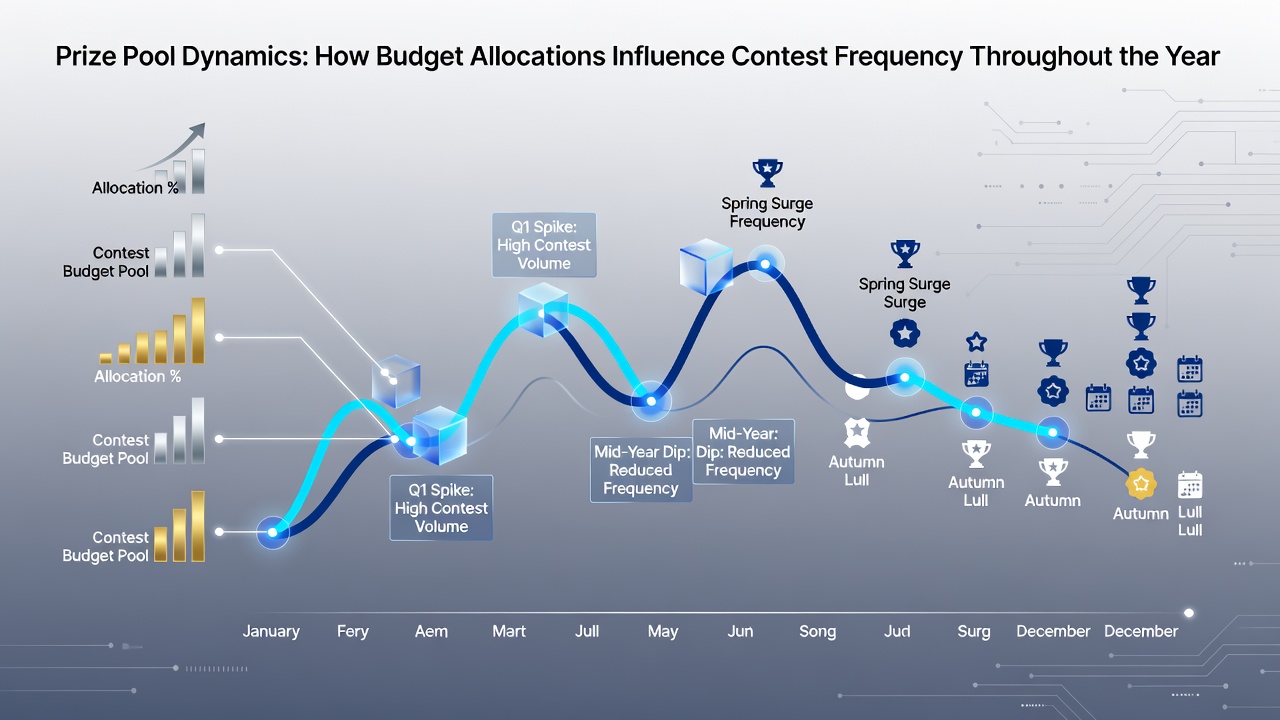
Prize Pool Dynamics: How Budget Allocations Influence Contest Frequency Throughout the Year
Companies that run contests and sweepstakes often adjust their prize pools based on annual budget cycles, which in turn shapes how many events appear at different points in the calendar. Research from marketing analytics firms shows that larger allocations early in the fiscal year lead to more frequent promotions during the first quarter, while smaller reserves later create noticeable gaps. Observers note that these patterns emerge because finance teams release funds according to revenue forecasts rather than consumer demand alone.
Data collected across multiple industries reveals that brands typically front-load prize budgets in January and February to capitalize on post-holiday engagement spikes. When those initial pools deplete, contest frequency drops until mid-year reviews unlock additional resources. This cycle repeats because procurement departments tie spending to quarterly performance targets, and any shortfall in sales triggers tighter controls on promotional outlays.
Quarterly Budget Releases and Their Effects
Finance departments commonly divide prize allocations into quarterly tranches, which directly determines the number of contests that launch each period. Studies from industry research groups indicate that when a company commits 40 percent of its annual promotion budget in the first quarter, the remaining months see reduced activity unless unexpected revenue allows for supplemental releases. Those who've tracked these patterns over several years find that firms with rigid quarterly caps experience predictable lulls in August and September before holiday planning begins.
One analysis of consumer goods companies demonstrated that reallocating even 15 percent of a prize pool from the fourth quarter to the second quarter increased total contest entries by nearly a third. Such shifts occur because marketers respond to available funds rather than fixed calendars, and the timing of budget approvals dictates whether a promotion moves forward or gets postponed.
Seasonal Patterns in Allocation Decisions
Seasonal events influence how much money gets set aside for prizes, yet the underlying driver remains the overall budget envelope approved at the start of the fiscal year. During spring and early summer, many organizations draw from marketing reserves built up during slower winter months, which produces a cluster of contests in May and June. By contrast, late summer often features fewer promotions because prior allocations have been exhausted and new funds await annual planning sessions.
In August 2026, several major retailers are projected to introduce mid-year contests once second-quarter earnings reports clear additional budget lines. Figures from past cycles show that these August events typically draw from contingency pools that companies hold for unexpected opportunities rather than core annual allotments. The result appears in entry volume data as a modest uptick that still falls short of the volume seen during peak holiday periods.
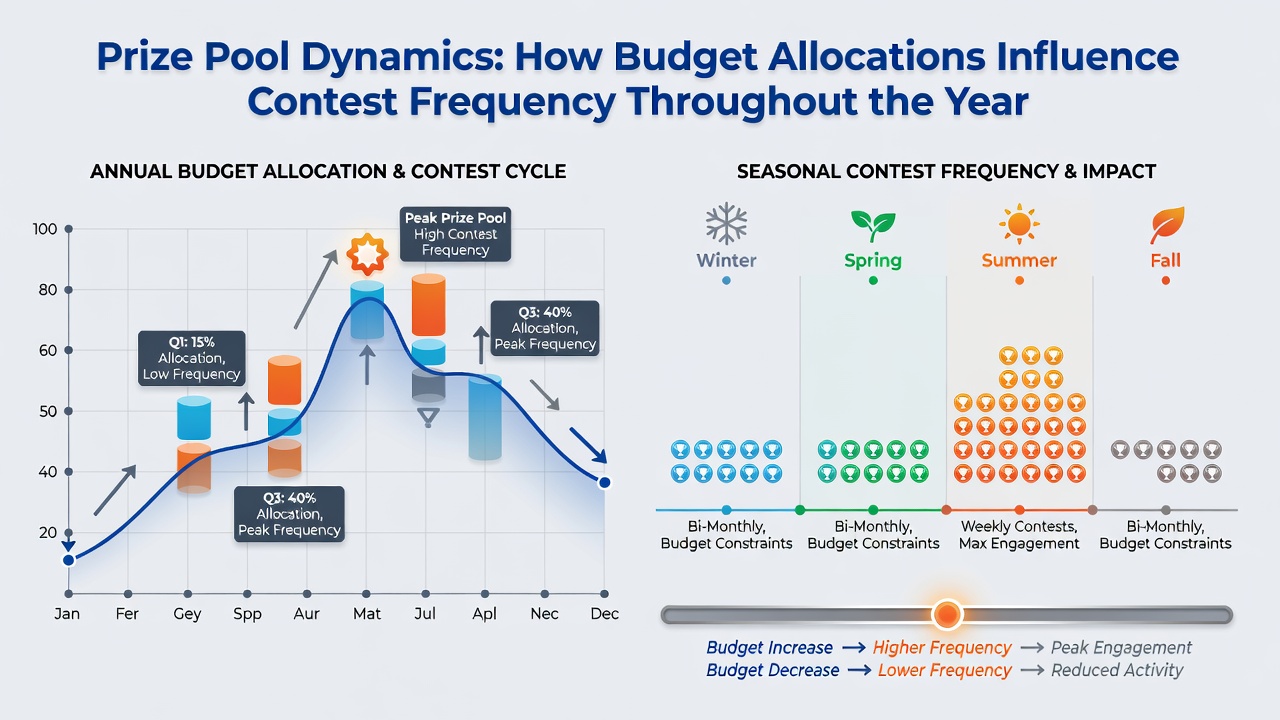
Academic examinations of promotional spending confirm that budget timing affects not only frequency but also prize values. When allocations arrive late in the year, organizers often increase individual prize amounts to maximize impact with fewer events. This approach conserves administrative costs associated with running multiple smaller contests while still meeting engagement goals set by senior leadership.
Regional and Industry Variations
Geographic differences in fiscal calendars further complicate the picture. Companies operating across North America and Europe often align prize budgets with local tax years, which creates staggered release dates and uneven contest distribution. A report published by the Australian Competition and Consumer Commission highlights how fiscal year-end reviews in June prompt Australian brands to hold larger prize pools for July and August compared with their North American counterparts.
Trade associations tracking consumer promotions note that food and beverage sectors release funds more steadily throughout the year because their revenue streams remain relatively constant. In contrast, retailers tied to back-to-school or holiday cycles concentrate allocations in narrow windows, which produces sharp spikes in contest activity followed by extended quiet periods. These variations arise because each sector ties prize spending to distinct revenue patterns rather than a universal calendar.
Conclusion
Budget allocation decisions ultimately set the rhythm of contest frequency across any given year. Organizations that release funds in larger quarterly blocks tend to cluster promotions around those release dates, whereas those using rolling monthly approvals maintain steadier output. Evidence from multiple sectors demonstrates that understanding these financial rhythms helps explain why certain months consistently feature more opportunities than others, regardless of external consumer trends.