Patterns Revealed by Past Contest Winner Records
Paul Braun · Jun 10, 2026
Patterns Revealed by Past Contest Winner Records
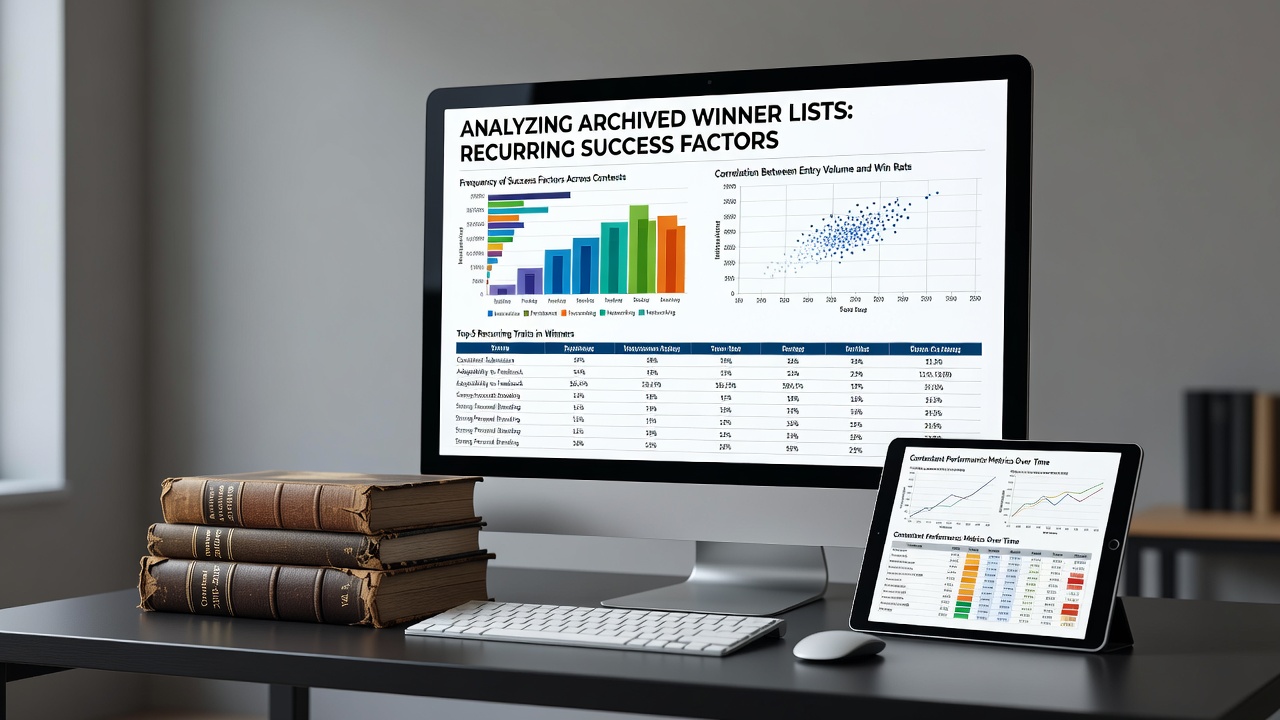
Analyses of archived winner lists from sweepstakes and contests have become a common approach for identifying repeated elements that appear across successful entries, and researchers compile these datasets from public announcements spanning multiple years to examine variables such as entry timing, frequency, and method. Data from contests held between 2015 and 2025 shows consistent clusters where certain participants appear more than once in results, while aggregate figures indicate that winners often submit entries during specific windows like weekday evenings or immediately after new promotions launch.
Collecting and Organizing Historical Data
Observers compile winner information from official contest sites, sponsor press releases, and regulatory filings to build structured databases that allow cross-referencing across different prize categories including cash, travel, vehicles, and home giveaways. Government sources such as the Federal Trade Commission records provide standardized reporting requirements that help verify entry volumes and eligibility rules in U.S.-based promotions, while comparable disclosures from other regions add broader context. Analysts categorize entries by factors including submission channel, whether online forms, mail-in postcards, or app-based actions, and they track how many unique identifiers link to repeated wins over time.
One study of several hundred archived lists found that approximately 35 percent of top prize recipients had entered the same contest series in prior cycles, suggesting persistence as a measurable pattern rather than isolated luck. These datasets also record geographic distribution, showing higher representation from urban areas with reliable internet access during the years examined.
Recurring Elements Across Different Formats
Figures reveal that multi-entry strategies appear frequently in winner archives when rules permit multiple submissions per person, and data from vehicle and trip giveaways indicates participants who used daily entry options secured wins at rates exceeding single-submission entrants by measurable margins. Timing patterns emerge as well, with lists from 2020 through 2025 demonstrating elevated success for entries placed within the first 48 hours of a contest opening or during the final week before deadlines close. Demographic details, when disclosed in winner announcements, point to balanced representation across age groups yet note higher participation rates among those aged 25 to 44 in digital-heavy promotions.
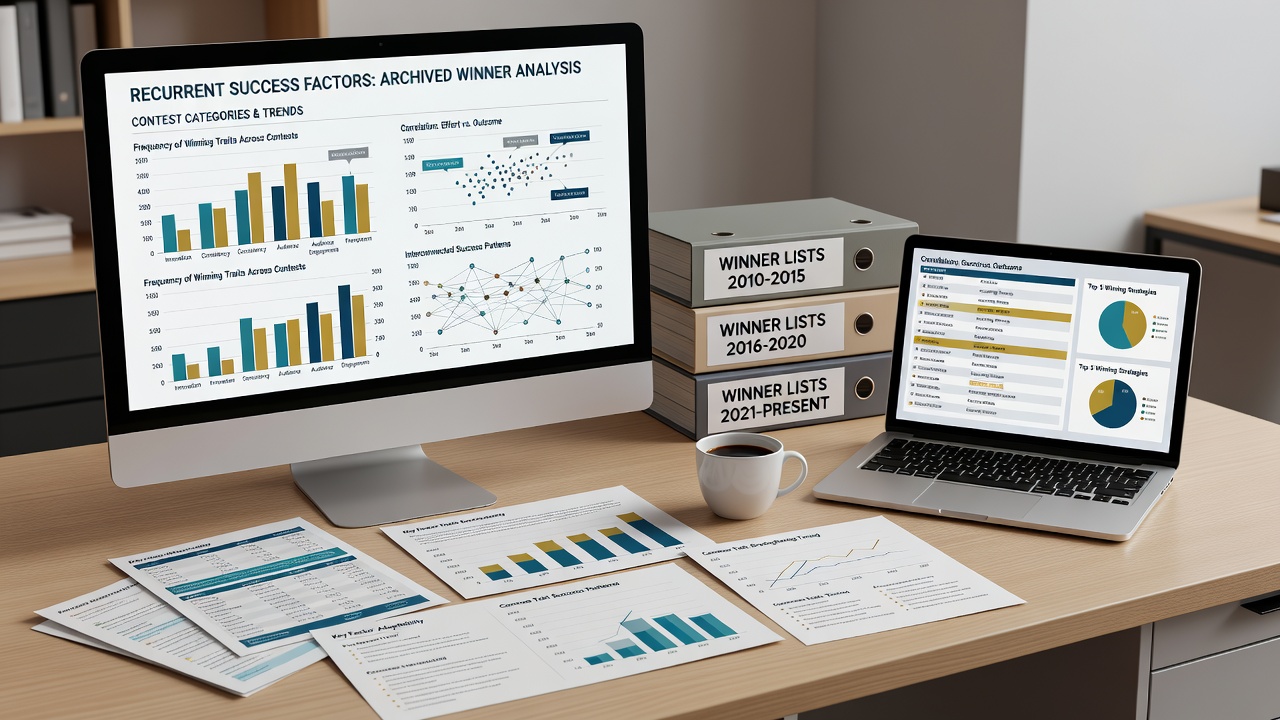
Case reviews of major national promotions show that individuals who combine multiple legal entry paths, such as both website and social media actions where allowed, appear more regularly in final results than those limited to one channel. Aggregated records from contests ending in June 2026 continue to reflect these distributions, with analysts noting similar clustering around high-frequency entry periods as seen in earlier datasets.
Limitations in Available Records
Archived lists provide only the names and sometimes locations of winners, so researchers cannot access private details like exact number of entries submitted by each person or internal decision processes used by sponsors. Privacy regulations in various jurisdictions limit the depth of information released, which means patterns identified remain correlational rather than causal. Industry reports from organizations tracking consumer promotions emphasize that rule changes between contests can alter which strategies remain viable, requiring analysts to segment data by specific time frames and regulatory environments.
Cross-referencing multiple sources helps mitigate gaps, yet incomplete archives from smaller regional contests reduce the sample size available for certain prize types. Those reviewing these records adjust methodologies accordingly, focusing on verifiable public data points instead of inferred behaviors.
Applications in Broader Research
Academic and industry groups apply these analytical techniques to understand participation trends and to inform public education materials about contest mechanics. Reports compiled by research institutions document how entry method preferences have shifted with technological changes, moving from predominantly mail-based submissions in earlier decades to digital platforms by the mid-2020s. Such shifts appear consistently in winner lists when segmented by decade, providing concrete evidence of evolving participant behavior without requiring direct surveys.
Regulatory bodies in multiple countries release periodic summaries that researchers incorporate into larger datasets, allowing comparisons between markets with differing disclosure standards. This approach yields measurable insights into how rule variations influence which factors surface repeatedly across winner records.
Conclusion
Archived winner lists supply factual datasets that researchers examine to detect recurring patterns in contest outcomes, and the resulting analyses highlight measurable associations with entry frequency, timing, and method across numerous promotions. Continued compilation of records through periods such as June 2026 supports ongoing refinement of these observations while respecting the boundaries set by available public information and privacy requirements.