Inside Prize Fulfillment Centers: The Systems Behind Thousands of Monthly Contest Deliveries
Paul Braun · Aug 23, 2026
Inside Prize Fulfillment Centers: The Systems Behind Thousands of Monthly Contest Deliveries
Prize fulfillment centers operate as specialized logistics hubs that process contest wins from sweepstakes and promotions run by brands across retail, media, and gaming sectors. These facilities receive winner notifications, verify eligibility details, and coordinate the physical or digital delivery of items ranging from cash awards to vehicles and travel packages. Data from industry reports shows that major centers manage volumes exceeding several thousand claims each month, with peaks occurring during summer promotion cycles that extend into periods such as August 2026 when back-to-school and end-of-season contests conclude.
Core Operational Workflows
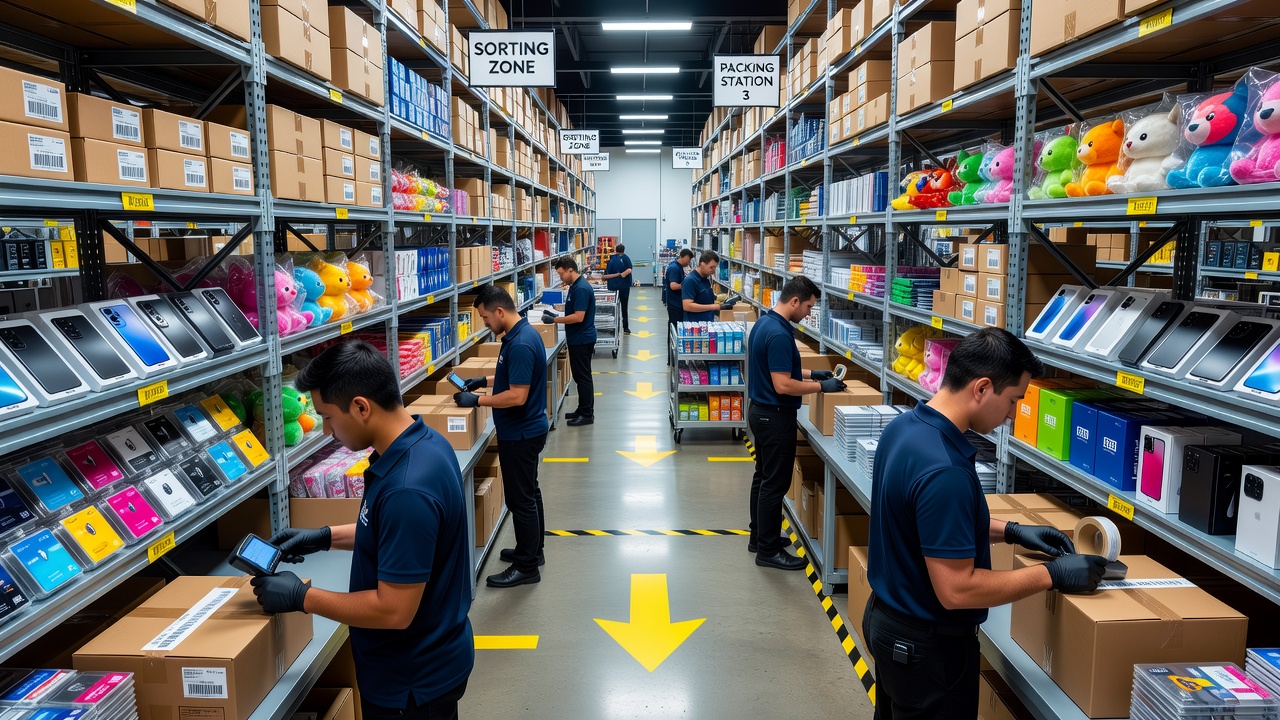
Staff at these centers begin each day by sorting incoming winner data from multiple contest operators, cross-checking entries against official rules that often require proof of age, residency, and purchase documentation where applicable. Automated software systems flag discrepancies such as duplicate submissions or incomplete tax forms, while human teams handle exception cases that demand manual review. According to guidance published by the Federal Trade Commission, compliance teams must ensure every prize shipment aligns with federal advertising standards before release.
Inventory management forms the next layer, where centers maintain segregated storage zones for high-value items like electronics and low-value consumables such as gift cards. Barcode scanning and RFID tracking update real-time stock levels, allowing managers to reorder popular prizes from suppliers within 48 hours when volumes surge. Researchers at logistics institutes have documented how these facilities integrate with third-party carriers to generate shipping labels that include insurance declarations for items valued above certain thresholds set by regional regulations.
Technology Integration and Scaling
Modern fulfillment operations rely on enterprise resource planning platforms that connect contest entry databases directly to warehouse management systems. This linkage reduces processing time from weeks to days for standard prizes, although complex awards like home renovations require coordination with external contractors who schedule installations after winner confirmation. Observers note that centers handling over 5,000 wins monthly often deploy robotic sorting arms alongside human pickers during high-demand months, a practice that emerged from efficiency studies conducted by supply-chain research groups in North America and Europe.
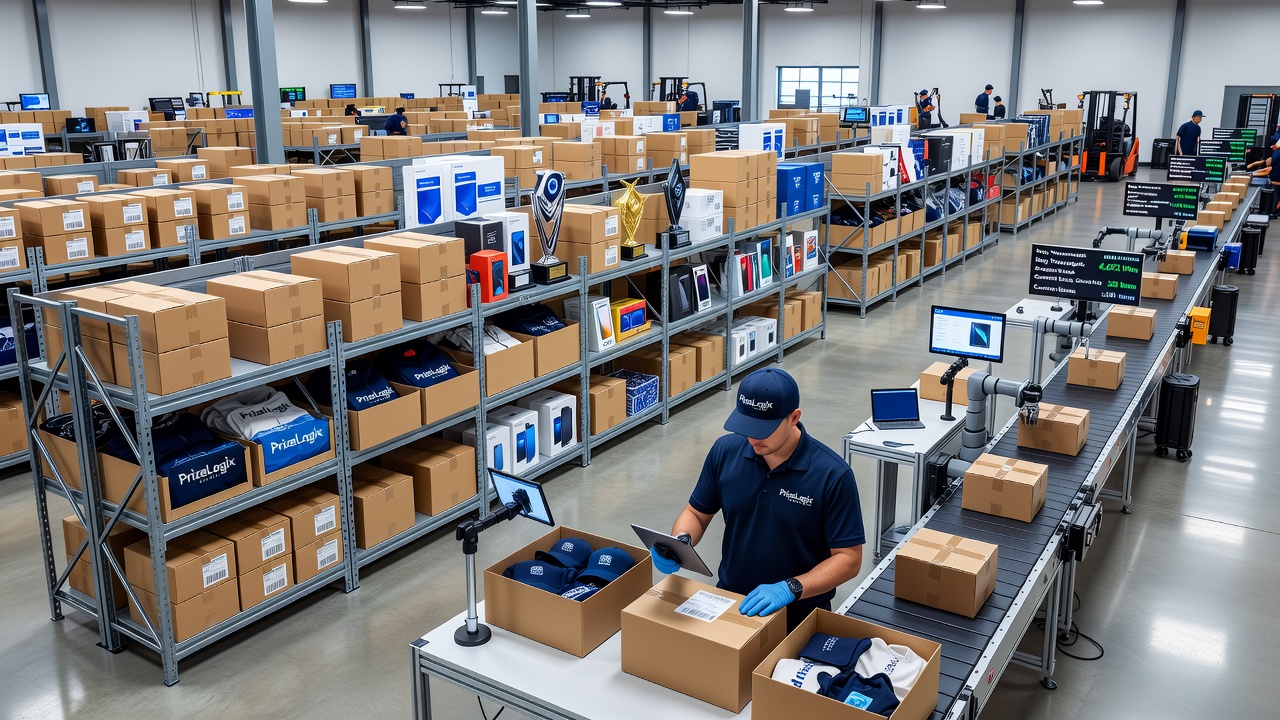
Security protocols add another dimension, with video surveillance covering every staging area and background checks performed on all personnel who access prize vaults. Centers also maintain dedicated fraud detection units that analyze patterns such as repeated wins from single households or suspicious address clusters, reporting anomalies to contest sponsors for further investigation. Figures released by the Australian Competition and Consumer Commission highlight similar verification steps required under consumer protection laws in that region, ensuring international winners receive equivalent documentation and tax guidance.
Regulatory and Tax Considerations
Tax reporting obligations vary by jurisdiction, yet most centers generate Form 1099 documents for US winners whose prizes exceed IRS thresholds and equivalent filings for recipients in Canada and the EU. Teams coordinate with accounting departments to withhold estimated taxes on large cash awards before disbursement, a step that prevents delays when winners claim their items. One documented case involved a fulfillment provider that adjusted its workflow after Canadian regulatory updates required additional residency affidavits, illustrating how these operations adapt quickly to policy shifts across borders.
International shipping introduces further layers, including customs declarations and duties calculations that fulfillment software now automates for standard prize categories. Centers maintain partnerships with freight forwarders who specialize in contest goods, ensuring temperature-sensitive items such as food baskets or beauty products arrive intact regardless of transit routes. Data compiled by academic logistics programs shows that error rates drop below two percent when centers implement dual-verification scans at both packing and loading stages.
Seasonal Volume Patterns
August 2026 stands out in projections as a period when summer sweepstakes tied to outdoor events and travel promotions reach their final fulfillment stages, pushing some facilities toward temporary staffing increases of 20 to 30 percent. These surges follow predictable cycles tied to sponsor marketing calendars, allowing managers to pre-position inventory for expected prize types like outdoor equipment and vacation packages. Coordination meetings between centers and contest organizers occur weekly during such peaks to align delivery timelines with winner communication schedules.
Conclusion
Prize fulfillment centers function through tightly integrated systems of verification, inventory control, and regulatory compliance that enable consistent handling of thousands of contest wins each month. Their operations draw on both automated tools and skilled personnel to meet demands that fluctuate with seasonal promotion activity. As contest formats continue to evolve, these facilities maintain the infrastructure necessary to convert winning entries into delivered prizes across multiple regions and prize categories.