Historical Winner Patterns Driving Shifts in Contest Entry Form Adaptations
Avery Braun · Jul 22, 2026

Historical Winner Patterns Driving Shifts in Contest Entry Form Adaptations
Contest organizers have tracked winner profiles for decades and those records now guide adjustments in how entry forms collect information during active promotions. Data collected from past winners reveals consistent traits such as age ranges, geographic clusters, and preferred entry channels and these insights prompt developers to refine form layouts in real time.
Documented Winner Profiles Across Decades
Studies compiled by academic institutions show recurring patterns among individuals who secure prizes in national and regional contests. University researchers in Canada documented that frequent winners between 2010 and 2020 tended to enter through desktop platforms early in promotional cycles while later shifting to mobile devices as deadlines approached. Similar findings emerged from Australian consumer behavior reports that highlighted higher success rates among entrants aged 35 to 54 who provided detailed demographic details at the first submission stage.
European trade association analyses further indicate that winners often cluster in urban and suburban areas with reliable internet access and these groups complete forms that request location verification more readily than rural participants. Records from ongoing contests in July 2026 continue to reflect these distributions with entry volume peaking among professionals who access promotions during commute hours.
Development of Adaptive Entry Mechanisms
Entry forms have evolved from static templates to systems that adjust fields based on user behavior detected during the submission process. When historical data shows elevated completion rates from mobile users who skip optional address fields, designers shorten those sections and introduce auto-fill options drawn from device location services. Platforms hosting multiple simultaneous contests now test variations where forms expand or contract questions according to the time of day an entrant begins the process.
One documented case involved a series of travel giveaways where forms detected repeat visitors through browser cookies and then presented simplified verification steps drawn from prior successful entries. This approach reduced abandonment rates according to internal platform metrics released in industry summaries.
Direct Links Between Past Data and Current Form Changes
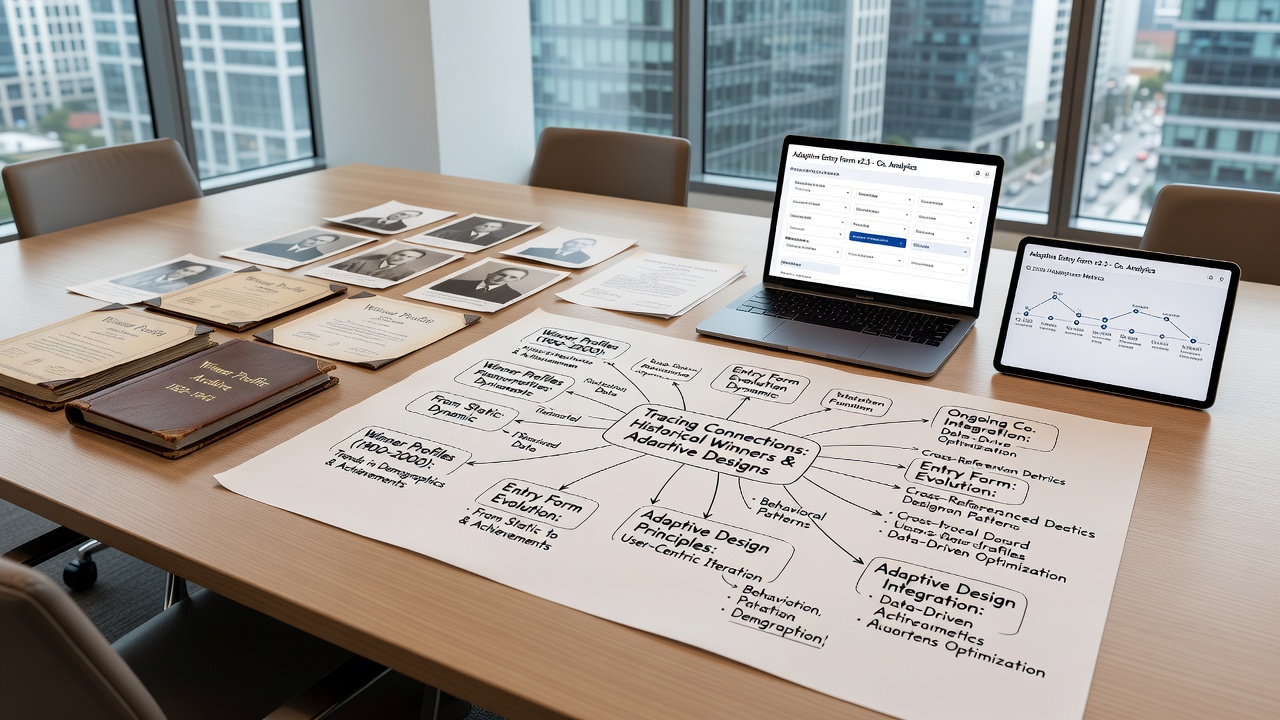
Observers note that when winner profiles indicate strong performance from participants who enter multiple contests within a short window, organizers introduce cross-promotion fields that allow single submissions to register for related events. Conversely when data shows lower conversion among first-time entrants who face lengthy questionnaires, forms in July 2026 promotions have begun truncating those sections while routing users to follow-up emails for additional details.
Research institutions tracking these adjustments report that forms incorporating historical geographic preferences now prioritize regional prize eligibility checks at the outset and this step correlates with higher prize claim rates in targeted areas. Trade groups monitoring North American contests have recorded similar adaptations where age-based prompts appear earlier when past winners in specific brackets responded positively to such sequencing.
Implementation Examples From Active 2026 Promotions
During the summer contest season organizers have applied profile insights to forms used in vehicle and home prize events. When records showed that previous winners in the 45-plus age group completed entries faster when presented with fewer privacy policy links, those elements moved to secondary confirmation pages. Data from Canadian regulatory filings on consumer promotions supports the observation that streamlined verification steps align with elevated participation from that demographic segment.
Another set of ongoing giveaways adjusted form timing based on entry hour patterns extracted from historical winner logs and those changes produced measurable increases in submissions during evening hours according to platform analytics shared with industry partners. These modifications demonstrate how accumulated profiles translate into structural tweaks rather than wholesale redesigns.
Conclusion
Connections between documented winner characteristics and the incremental redesign of entry forms continue to shape contest operations through 2026. Platforms integrate past performance indicators to modify field order, length, and verification steps while maintaining compliance with regional promotion guidelines. The resulting systems reflect measurable responses to accumulated data sets rather than arbitrary alterations.