From Submission to Selection: Examining Archived Records in Promotional Event Processes
Paul Braun · May 31, 2026
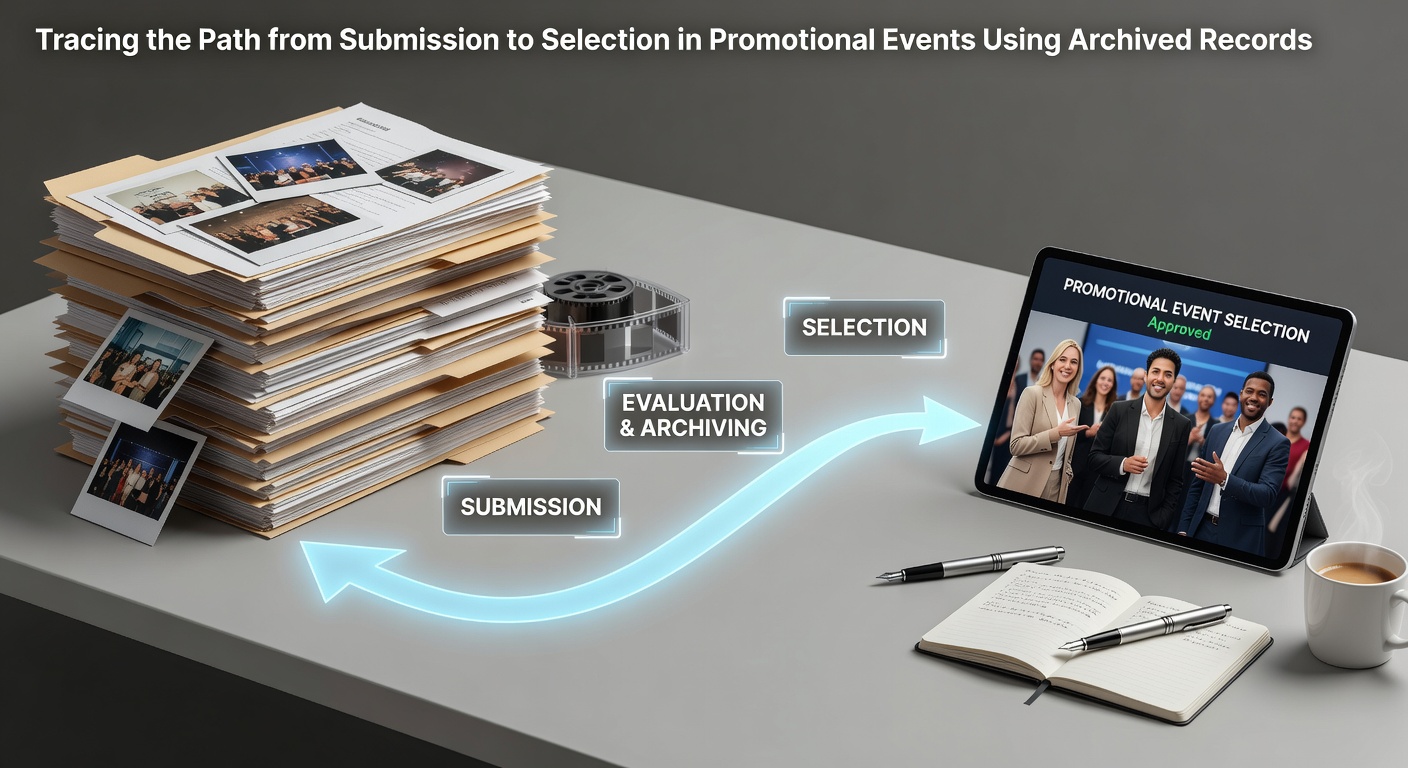
From Submission to Selection: Examining Archived Records in Promotional Event Processes
Promotional events rely on structured systems to move entries from initial submission through final selection, and archived records form the backbone of this progression. Organizers collect submissions via online portals, mail-in forms, or in-store entries, then store these materials in secure databases or physical archives to maintain an auditable trail. Data from industry reports indicates that proper archiving supports compliance with regional regulations while allowing verification at any stage.
Initial Submission and Record Creation
Participants submit entries through designated channels, after which administrators generate unique identifiers for each record. These identifiers link personal details, entry timestamps, and eligibility criteria into a single file. Researchers have noted that digital platforms often timestamp submissions automatically, creating immutable logs that prevent later alterations. Physical entries receive similar treatment through scanning and cataloging, which integrates them into centralized systems for cross-referencing.
Archived records capture more than basic contact information. They include proof of purchase when required, age verification documents, and any accompanying essays or creative submissions. This comprehensive documentation helps organizers confirm that each entry meets the stated rules before advancing further in the process.
Storage Protocols and Accessibility
Once created, records move into storage environments designed for long-term retention. Many jurisdictions mandate minimum holding periods, often spanning several years, to accommodate potential disputes or regulatory reviews. Electronic archives employ encryption and access controls, whereas paper-based systems use climate-controlled facilities with restricted entry. Observers note that hybrid approaches combining both methods have become common, allowing quick digital searches alongside original documents for legal purposes.
Verification Steps During Storage
Administrators perform periodic checks on stored entries to validate data integrity. Automated scripts flag duplicates or incomplete records, while manual audits sample batches for accuracy. According to guidelines from the Federal Trade Commission, maintaining these verification layers reduces errors that could affect downstream selection outcomes. Records remain accessible to authorized personnel only, with logs tracking every retrieval or modification attempt.
Selection Mechanisms and Record Integration
Selection occurs through random draws, judging panels, or algorithmic processes, each drawing directly from the archived pool. Random selection systems pull entries using certified random number generators, and teh corresponding records receive immediate flagging for winner notification. Judging panels access anonymized versions of creative submissions pulled from archives to ensure impartial evaluation. Data shows that integration of archived records at this stage provides transparency, as every selected entry traces back to its original submission details.
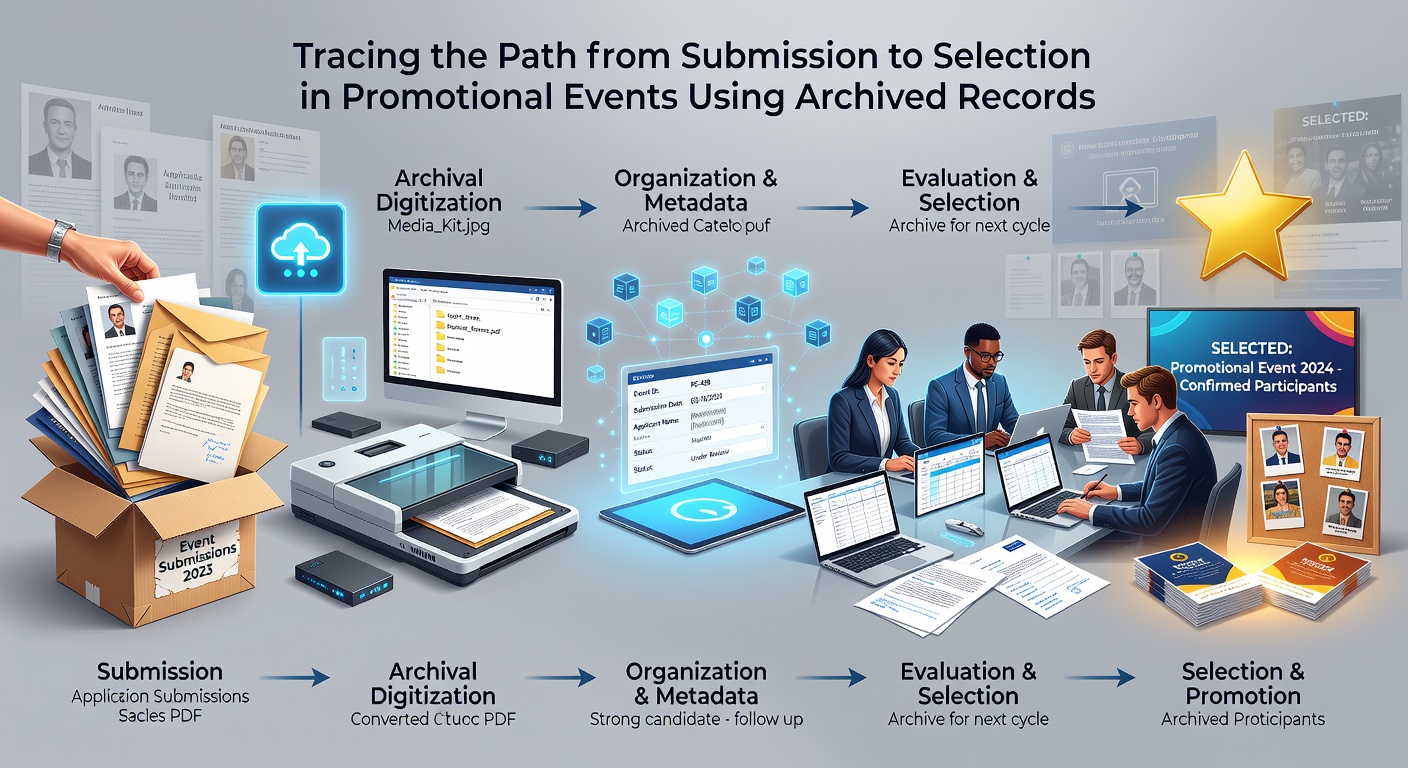
In May 2026, several major promotional campaigns are scheduled to conclude their entry periods, highlighting ongoing reliance on robust archival practices. Organizers reference stored records to confirm winner eligibility before prize distribution, and external auditors sometimes review samples to certify fairness. This step-by-step linkage from archive to announcement helps maintain public trust in the overall system.
Post-Selection Audits and Compliance
After selections finalize, archived records support audits that verify adherence to stated rules and applicable laws. Regulatory bodies in various regions, including the Australian Competition and Consumer Commission, require detailed reports drawn from these archives. Such documentation demonstrates that no ineligible entries advanced and that selection criteria remained consistent throughout. Industry organizations like the Promotion Marketing Association of America have compiled case studies showing how thorough record-keeping resolves challenges quickly when questions arise.
One documented instance involved a multi-state campaign where archived timestamps helped clarify entry order during a dispute, allowing organizers to uphold the original results without legal escalation. Another example from Canadian regulatory reviews revealed how cross-referenced purchase proofs prevented duplicate wins in a retailer promotion. These instances illustrate the practical value of maintained archives beyond initial storage.
Conclusion
Archived records guide promotional events from the moment of submission through winner selection by providing verifiable links at every phase. Storage protocols, verification routines, and audit capabilities together create accountability that benefits participants and organizers alike. As campaigns continue to evolve with digital tools, the role of these records remains central to transparent operations across different regulatory environments.