Examining Historical Patterns in Daily Contest Entries Using Archived Calendars
Henrik Schröder · Aug 2, 2026
Examining Historical Patterns in Daily Contest Entries Using Archived Calendars
Archived calendars serve as detailed records that reveal consistent cycles in daily entry opportunities for contests and giveaways across various digital platforms, and those who maintain such records often identify repeating windows tied to specific days of the week or months of the year. Data compiled from multiple years shows that many platforms release new entry forms on Mondays and Thursdays, while others cluster opportunities around the start of each month. Observers note that cross-referencing these archives helps track how seasonal promotions align with broader marketing schedules from brands and media companies.
Methods for Reviewing Past Calendar Data
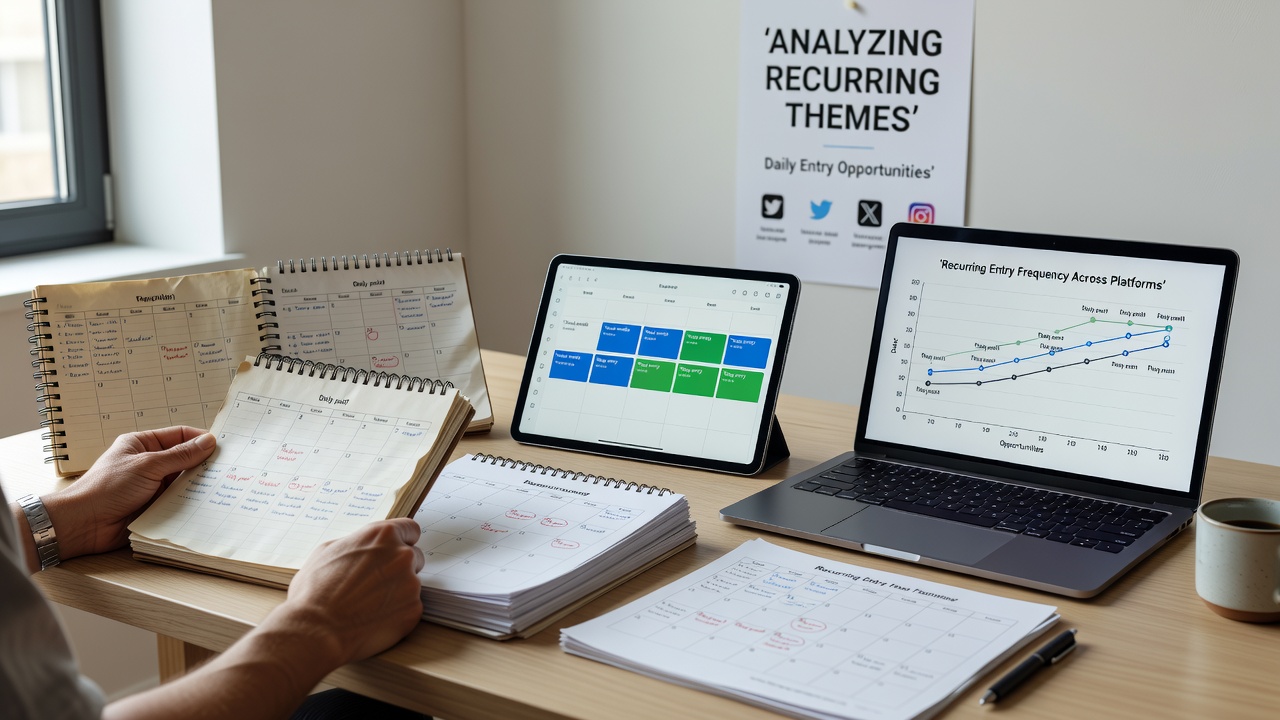
People who examine archived calendars typically export entries from email inboxes, social media notifications, and dedicated contest aggregator sites into spreadsheet formats that allow filtering by date and platform. This process highlights clusters where certain sites post multiple opportunities within the same 48-hour period, and patterns emerge when comparing entries from 2023 through 2025. Researchers have observed that platforms focused on travel prizes tend to increase daily entries during the first week of each quarter, whereas retail brands favor mid-month releases. Such analysis requires consistent tagging of each entry by source, prize type, and eligibility rules to surface reliable trends without relying on memory alone.
Recurring Themes Across Major Platforms
Archived data from popular contest sites indicates that daily entry limits often reset at midnight Eastern Time on weekdays, while weekend opportunities appear less frequently yet carry higher prize values when they do occur. One study of aggregated contest listings found that food and beverage brands maintain steady Monday-through-Friday posting schedules, whereas entertainment companies shift entries toward Thursday and Friday to capture weekend engagement. Those who review multi-year calendars also note that international platforms, particularly those based in Canada and Australia, follow similar weekday rhythms but adjust for local time zones, which creates slight offsets when compared against U.S.-centric sites.
August 2026 calendars already show early indications of the same mid-month surge observed in prior years, with several platforms announcing daily entry campaigns tied to back-to-school promotions. Cross-platform comparison reveals that while some sites maintain strict one-entry-per-day policies, others allow multiple submissions across different social channels, and archived records help entrants map these differences before new cycles begin.
Platform-Specific Variations in Entry Timing
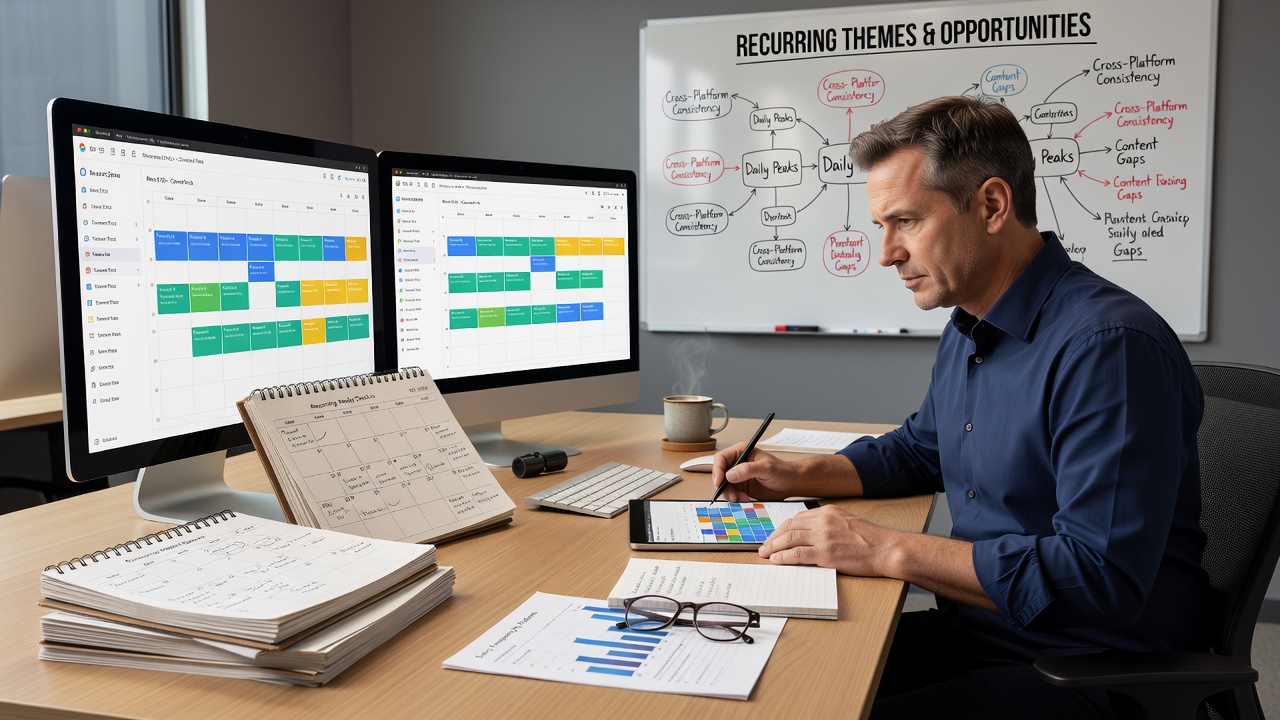
Analysis of archived schedules demonstrates that email newsletter contests frequently land on Tuesdays, while app-based giveaways concentrate on Wednesdays. Figures from contest tracking services reveal that Instagram and TikTok promotions often appear later in the week, creating a staggered pattern that spans the full seven days when multiple platforms are monitored simultaneously. Those who compile these records use color-coding systems to differentiate between free entry methods and those requiring purchases or social shares, which clarifies how daily opportunities distribute across paid versus no-purchase-required categories.
Evidence from long-term calendar reviews shows that holiday-adjacent periods produce the highest volume of daily entries, with peaks occurring two to three weeks before major U.S. holidays and extending into the following month for international markets. Government resources such as the Federal Trade Commission guidelines on contests provide baseline rules that many platforms follow, yet regional differences appear when calendars are compared against listings from the Australian Competition and Consumer Commission or the Canadian Competition Bureau. These variations affect how entrants time their submissions across borders.
Tools That Support Calendar Analysis
Spreadsheet templates and calendar export features from email clients allow systematic review of past entry data, and several third-party services now integrate direct imports from popular contest platforms. Observers who maintain these systems report that quarterly reviews uncover shifts in posting behavior, such as an increase in daily entries on platforms that previously favored weekly releases. Academic papers on consumer engagement patterns, including work published by university marketing departments, support the value of longitudinal data collection for identifying stable trends amid changing platform algorithms.
Conclusion
Archived calendars supply concrete evidence of recurring daily entry opportunities that repeat across platforms, and systematic examination of these records equips entrants with timing information drawn from multiple years of documented activity. Patterns tied to weekdays, months, and promotional seasons remain visible when data is organized by source and prize category, while regional regulatory sources offer context on compliance factors that influence how opportunities are structured. Continued maintenance of such archives supports ongoing identification of these cycles as new platforms and campaigns emerge.