Digital Transitions Reshaping Traditional Mail-Based Prize Claims
Jonas Schmid · May 24, 2026

Digital Transitions Reshaping Traditional Mail-Based Prize Claims
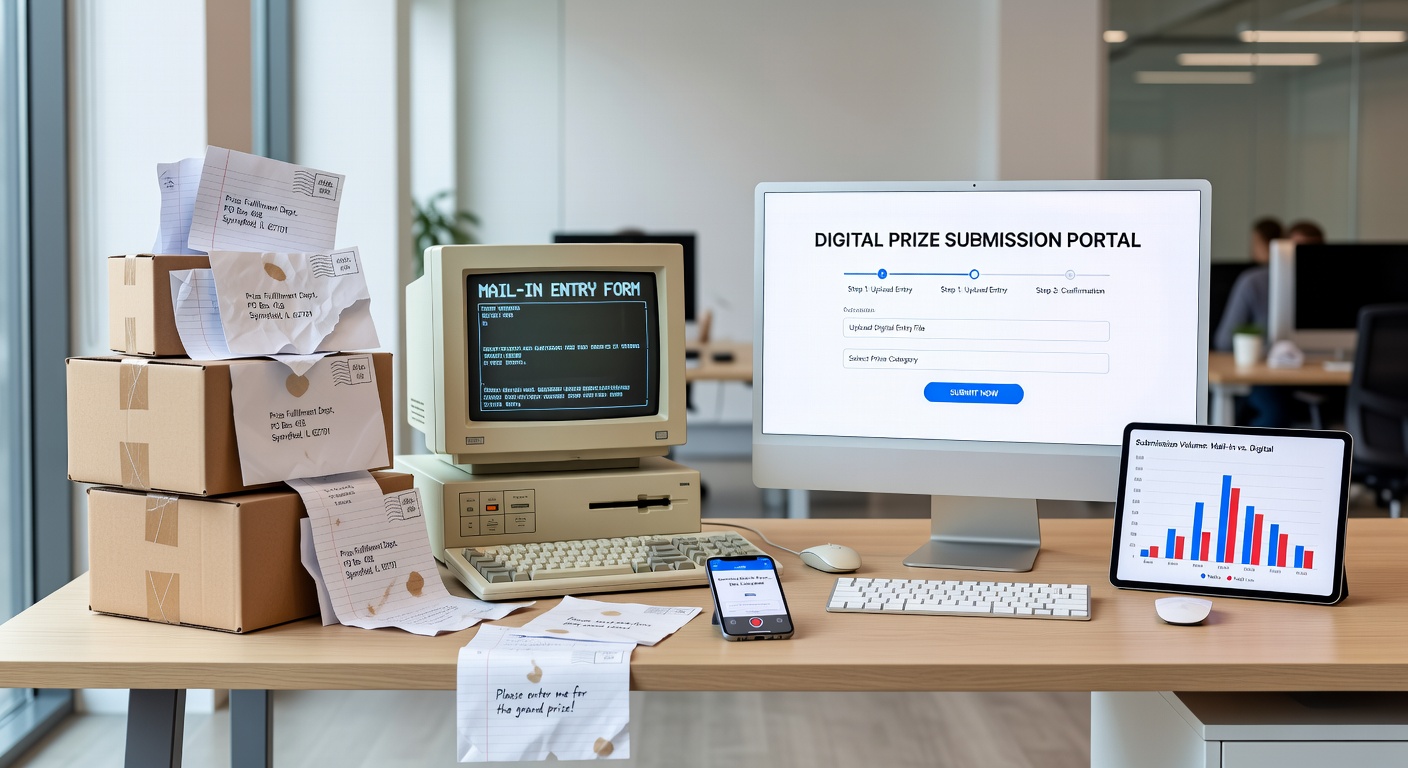
Mail-in prize submissions once required participants to affix stamps and drop envelopes into postal boxes, yet those methods have given way to electronic portals that handle entries through websites, mobile applications, and automated verification systems. Organizers now route submissions via digital channels that record timestamps, confirm eligibility, and reduce physical handling costs while participants complete forms on smartphones instead of paper.
Historical Context of Postal Entries
Contest rules from earlier decades specified that entrants mail postcards or official entry blanks postmarked by a deadline, and processing centers employed teams to open envelopes, log names, and separate winners from duplicates. Data from postal service reports shows that physical mail volumes for promotional campaigns declined steadily as broadband access expanded, and many sponsors observed that digital alternatives cut administrative expenses by measurable percentages. Observers note that the shift accelerated when organizers realized electronic systems could validate entries in real time rather than waiting days for postal delivery.
Current Tools Replacing Paper Forms
Modern platforms require users to register accounts, upload proof of purchase scans, and answer qualifying questions through browser interfaces or dedicated apps, while automated scripts check for duplicate submissions and flag incomplete fields before acceptance. Sponsors integrate QR codes on product packaging so that scanning directs consumers straight to entry pages, and those who studied adoption patterns report faster turnaround from entry to confirmation. Email notifications replace postcards, and participants receive instant receipts that include entry numbers and next steps for prize fulfillment.
Technologies Enabling the Change
Secure sockets layer encryption, cloud databases, and optical character recognition software allow organizers to process high volumes of submissions without manual sorting, while machine learning models detect patterns that once indicated fraud in mailed entries. Mobile push notifications remind users of upcoming deadlines, and integration with payment processors lets winners claim smaller prizes through direct deposits rather than waiting for mailed checks. Research indicates that systems built on these components handle millions of entries during peak campaign periods with minimal downtime.
One contest administrator who transitioned a long-running promotion described how the new dashboard displayed live entry counts and geographic distribution, data that previously arrived weeks later from regional post offices. Another case involved a beverage company that replaced tear-pad mail-ins with app-based uploads, resulting in higher completion rates because participants no longer needed envelopes or trips to mailboxes.
Regulatory Frameworks and Data Standards
Agencies such as the Federal Trade Commission publish guidelines requiring clear disclosure of entry methods and odds, and these rules now extend to digital formats with requirements for privacy policies and data retention limits. In Canada, the Competition Bureau maintains oversight of contest advertising that applies equally to online and postal entries, while Australian authorities through the Australian Competition and Consumer Commission monitor promotional conduct across both channels. Compliance teams must ensure that electronic systems archive records for audit periods that match or exceed those once applied to paper archives.
Effects on Entrants and Organizers
Participants gain convenience because entries can occur from any location with internet access, yet they encounter new requirements such as creating accounts and accepting terms that include data usage clauses. Organizers collect richer demographic information through mandatory fields and optional surveys, allowing refined targeting in future campaigns, and accounting departments track reduced postage budgets that free resources for prize pools or advertising. Studies from academic sources show measurable drops in lost or delayed entries once physical mail is removed from the process.
Developments Expected Around May 2026
By May 2026 many sponsors plan to expand biometric verification options such as facial recognition for high-value prize claims, and pilot programs already test blockchain ledgers that timestamp submissions in immutable records. Industry reports project continued integration with voice assistants so that users dictate entry details rather than typing forms, and testing continues on systems that cross-reference government ID databases to confirm age eligibility without additional paperwork. Those who track these trends expect hybrid models to persist where certain promotions still accept mailed entries for accessibility reasons while directing most traffic online.
Conclusion
The movement from stamped envelopes to digital portals reflects broader changes in communication infrastructure and consumer habits, with measurable impacts on cost structures, verification speed, and data collection capabilities. Sponsors who adopted electronic methods early documented operational efficiencies, and regulatory bodies updated guidance to cover the new formats without altering core consumer protection principles. Continued refinement of security protocols and accessibility features will shape how future campaigns manage submissions across both legacy and emerging channels.