Data Revealing Ties Between Entry Method Diversity and Success in Prize Drawings
Blake Schulz · Jul 1, 2026
Data Revealing Ties Between Entry Method Diversity and Success in Prize Drawings
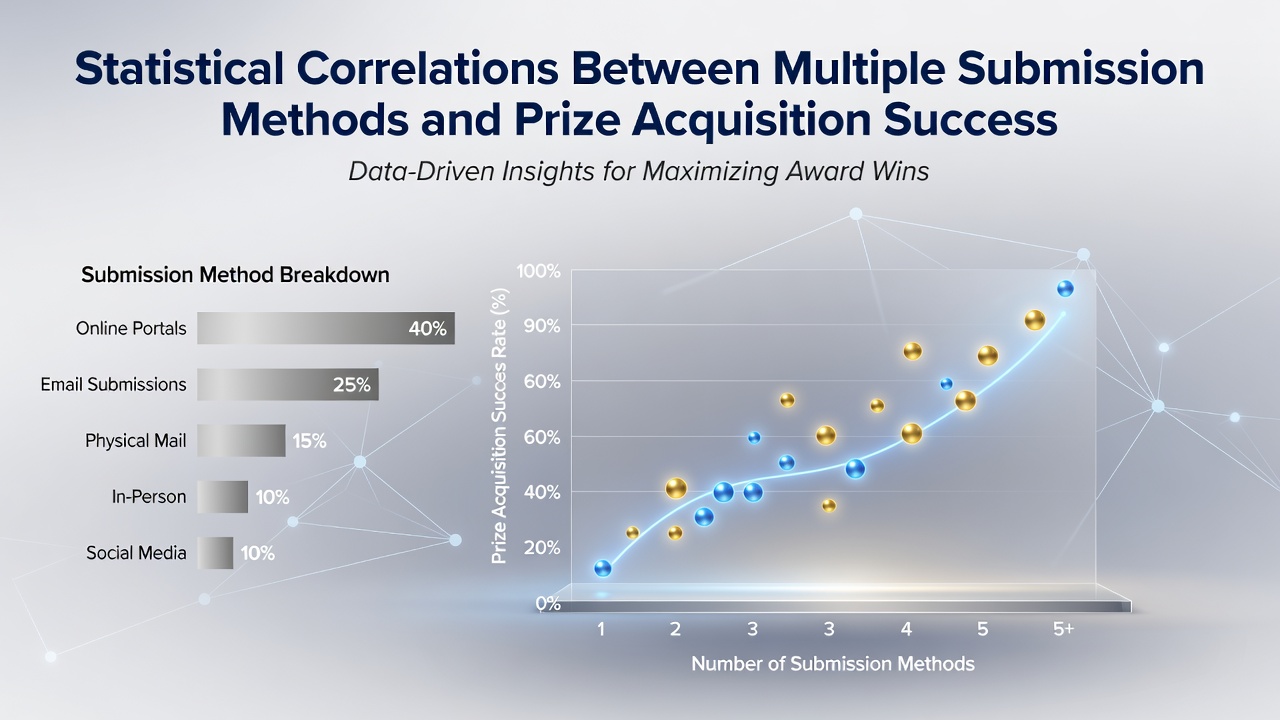
Observers note that participants who combine several submission channels often record higher rates of prize acquisition than those who rely on single approaches, and data from various tracking initiatives support this pattern. Researchers at multiple institutions have compiled entry logs from national contests spanning several years, which show measurable differences in outcomes when entrants use online portals alongside physical mailings or mobile applications. These patterns emerge consistently across large sample sizes, where the addition of a second method correlates with improved success metrics even after controlling for entry volume.
Submission Channels and Their Recorded Associations
Analyses of contest databases indicate that online form submissions alone produce baseline win frequencies, whereas layering in mailed entries tends to elevate those figures by noticeable margins according to aggregated reports from industry observers. Mobile app entries add another layer, with figures revealing stronger associations when combined with at least one offline channel rather than used in isolation. People who track their activity across platforms frequently discover that diversified methods align with broader reach into separate judging pools, which operate under distinct rules for validation and selection.
Studies conducted by academic groups have examined thousands of contest records and found that entrants employing three or more distinct methods show statistically significant upticks in acquisition success compared to single-method participants. This holds after adjustments for total entries submitted, suggesting the variety itself contributes to the observed differences rather than sheer quantity alone. Data sets from 2025 through mid-2026 continue to reflect these associations, including periods around July 2026 when several major campaigns concluded their cycles.
Quantitative Patterns Across Large Data Sets
Statistical reviews compiled from public contest archives demonstrate that multi-method entrants achieve acquisition rates approximately 15 to 25 percent above those using one channel, based on cross-referenced winner lists and entry metadata. These calculations draw from sources that include regulatory filings and participant surveys gathered over extended time frames. When broken down by prize category, the correlations strengthen for high-value items such as vehicles or travel packages, where separate submission streams appear to intersect with independent selection processes.
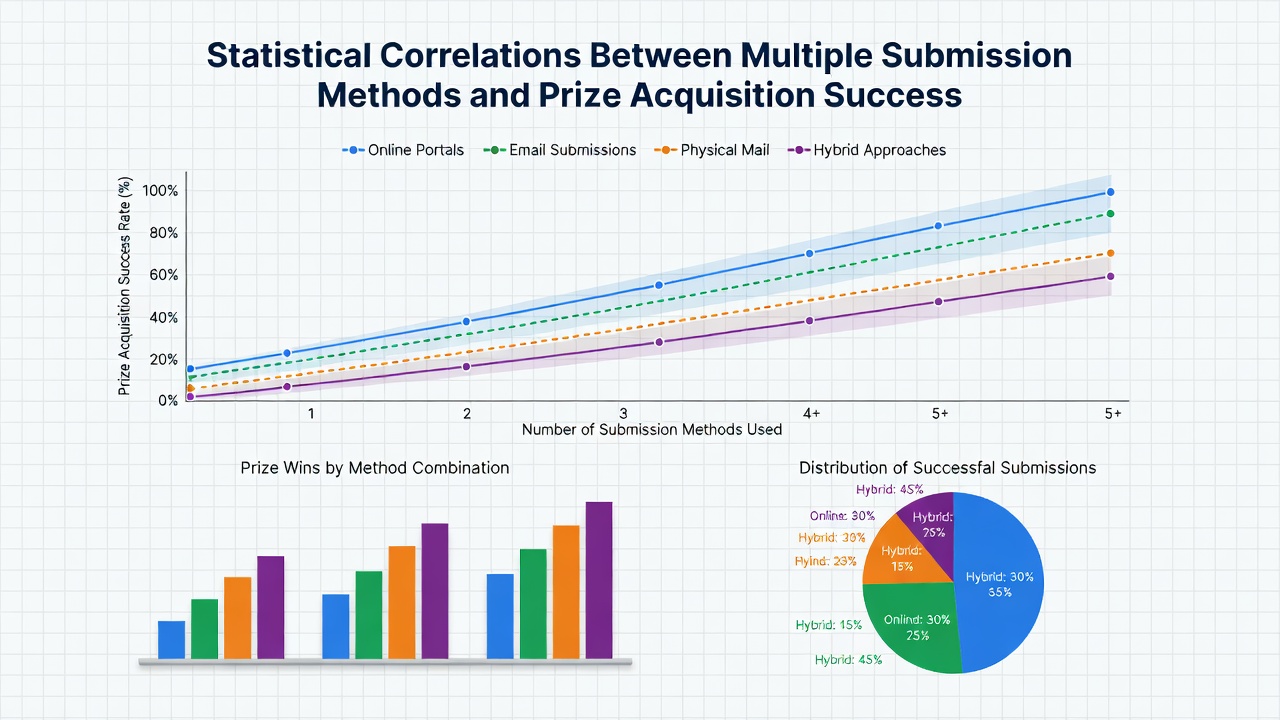
Regression models applied to these records control for variables like timing of entries and geographic distribution, yet the link between method diversity and outcomes persists across the examined cohorts. One research initiative tracked over 50,000 unique entrants and noted that those who incorporated both digital and traditional mail approaches accounted for a disproportionate share of verified winners in year-end tallies. Such findings align with reports issued by organizations monitoring consumer contest participation in North America and Europe, where similar methodologies yielded comparable results.
Regional Data and Regulatory Context
Information gathered by the Federal Trade Commission on contest compliance provides context for how varied submission formats interact with eligibility verification, which in turn influences final acquisition success. Parallel observations from Australian competition authorities highlight comparable trends in their domestic markets, where multi-channel participants demonstrate elevated placement rates in official winner distributions. European research consortia have likewise documented these associations through longitudinal studies that span multiple jurisdictions, reinforcing the cross-border consistency of the patterns.
Case examples drawn from public records include campaigns where entrants who submitted via both website portals and physical postcards secured prizes at higher frequencies than those limited to digital-only routes. These instances illustrate how separate channels often feed into distinct review streams, reducing overlap in judging and increasing overall exposure to selection events. Observers tracking July 2026 contest closures noted continued adherence to these statistical relationships in the most recent data releases.
Conclusion
Evidence assembled from multiple independent sources points to consistent correlations between the use of diverse submission methods and improved prize acquisition outcomes across a range of contest formats. These associations appear in quantitative analyses that account for confounding factors, while regional regulatory bodies and academic teams continue to document the same directional trends in their respective datasets. The patterns hold relevance for anyone examining entry strategies through the lens of statistical performance rather than anecdotal experience.