Archived Winner Conversations Illuminate Strategies for Interpreting Entry Form Fine Print in Daily Draws
Paul Braun · Aug 19, 2026
Archived Winner Conversations Illuminate Strategies for Interpreting Entry Form Fine Print in Daily Draws
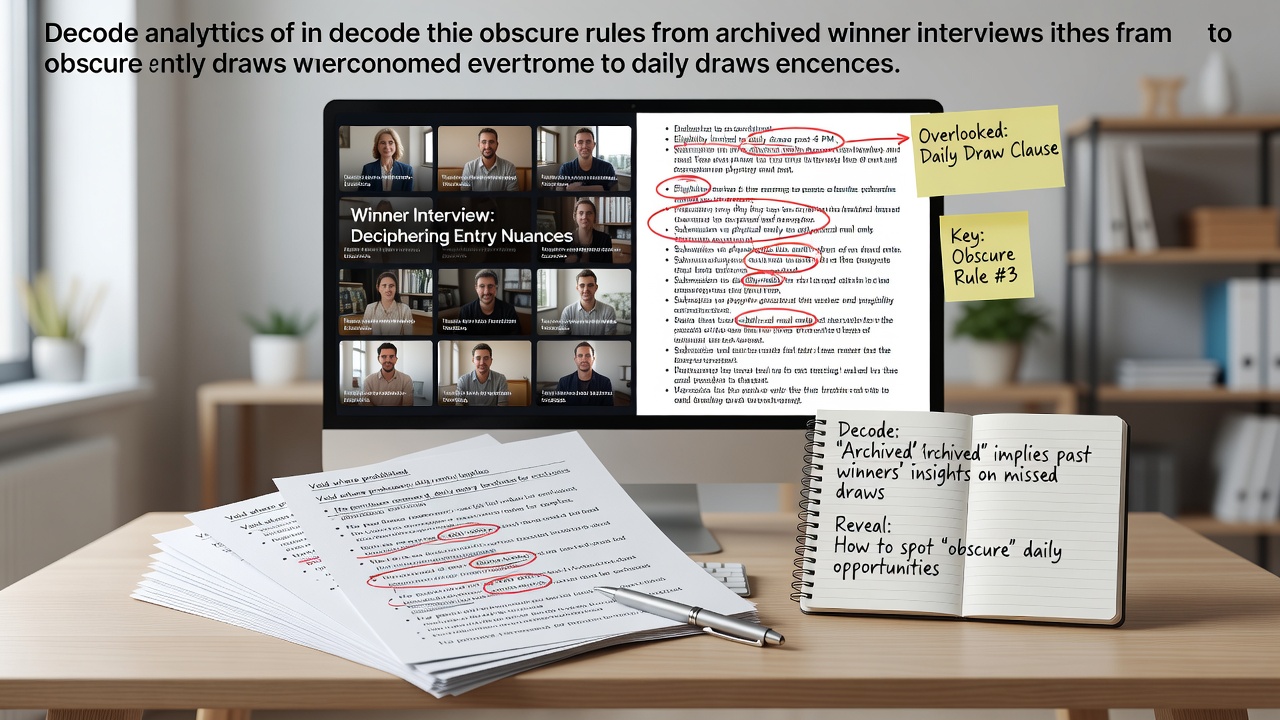
Archived interviews with past winners offer concrete examples of how participants navigated the layered conditions printed on entry forms for daily draws that receive fewer submissions than major seasonal events. Those records show consistent patterns in the way entrants handled restrictions on age verification, geographic eligibility, and submission frequency limits that often appear in smaller print sections.
Data from contest organizers indicates that daily draws running throughout the year maintain separate rule sets from larger annual promotions, and winner accounts frequently reference the need to cross-check multiple clauses before final submission. Observers note that many overlooked daily contests list requirements for proof of purchase or digital verification codes that must align with specific time stamps, a detail that surfaces repeatedly in post-win discussions from 2024 through early 2026.
Common Rule Structures Identified in Winner Records
Transcripts reveal that entrants who succeeded with daily formats often highlighted the importance of reading the full eligibility paragraph rather than relying on the headline summary alone. One recurring element involves residency clauses that exclude certain states or provinces even when the draw appears open nationally, and archived accounts describe how winners confirmed their status through direct organizer contact before entering multiple times.
Studies of entry data compiled by industry groups show that forms for these draws frequently cap the number of entries per household per day, yet the exact wording varies between contests sponsored by regional retailers versus national brands. Winners interviewed after the fact commonly mention printing or saving the complete rule text at the moment of entry, because later updates sometimes altered the original conditions without separate notification.
Patterns in Verification and Timing Requirements
Many archived conversations point to timing windows that close earlier than the advertised end date when entries arrive without proper documentation. Researchers examining these cases found that successful participants routinely noted the difference between calendar-day deadlines and business-day processing periods listed in the fine print, a distinction that affected outcomes in several documented daily draws during 2025.
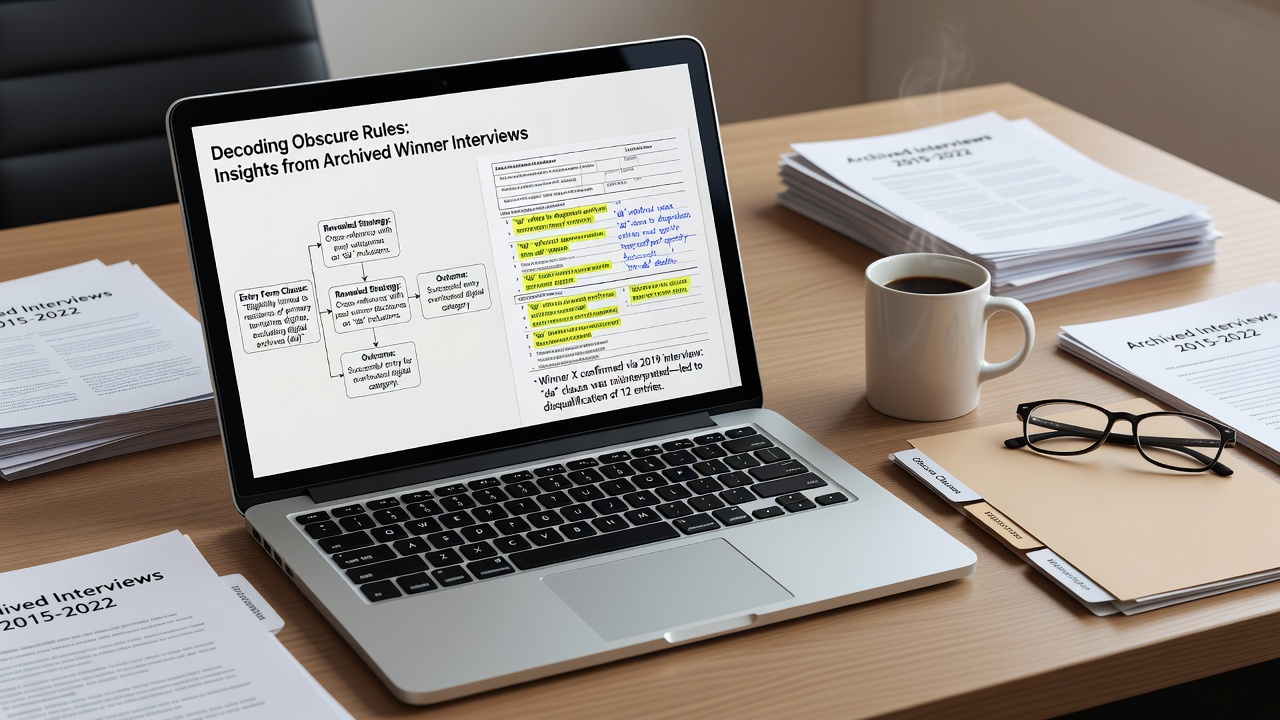
According to reports from the Federal Trade Commission, clear disclosure of all material terms remains a regulatory expectation, yet the placement of those terms on entry forms continues to challenge participants who skip secondary paragraphs. Winner interviews from August 2026 onward continue to reference the same verification steps that appeared in earlier transcripts, suggesting the core challenges have remained stable even as digital entry methods expanded.
Regional Variations and Cross-Border Considerations
Accounts from winners in multiple countries illustrate how Canadian and Australian contest rules introduce additional layers around tax reporting and consent for publicity that differ from U.S. forms. The Australian Competition and Consumer Commission publishes guidance on these distinctions, and archived discussions show that cross-border entrants who reviewed both local and sponsor rules avoided disqualification in several instances.
Those who studied past winner statements learned to flag any mention of third-party judging panels or random selection algorithms, because the selection method sometimes determined whether multiple entries from the same IP address would be accepted. Observers tracking these patterns report that forms for overlooked daily draws tend to bury such technical specifications under sections labeled simply as “general conditions.”
Conclusion
Archived winner interviews collectively demonstrate that systematic review of every clause on entry forms, combined with verification of eligibility details before repeated submissions, aligns with the practices described by successful participants across various daily draw formats. The records continue to serve as reference material for those examining how specific wording influences outcomes in contests that operate outside peak promotional seasons.