Aggregated Contest Data Reveals Patterns in Effective Submission Strategies
Jonas Schmid · Jul 10, 2026
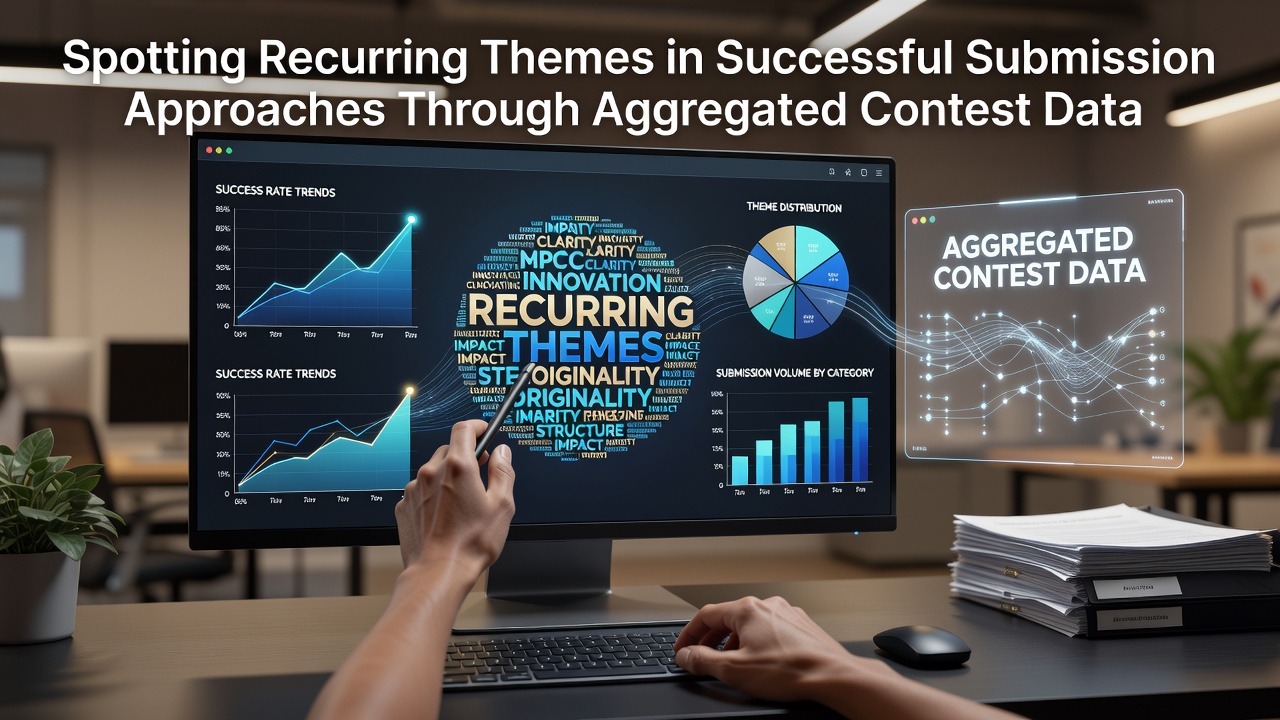
Aggregated Contest Data Reveals Patterns in Effective Submission Strategies
Contest organizers and analysts have compiled large datasets from entries submitted across multiple platforms during recent years, and these collections allow observers to identify consistent elements among winning submissions. Researchers at institutions like the University of Toronto have examined thousands of contest records to track variables such as entry timing, response format, and content structure, while data from sources including the Australian Competition adn Consumer Commission provides additional context on regulatory-compliant approaches that appear frequently in successful cases.
One pattern stands out in the aggregated information: entries submitted during mid-week periods often correlate with higher placement rates compared to those arriving on weekends or holidays. This observation holds across various contest types because processing volumes tend to fluctuate, and mid-week submissions encounter fewer competing entries in the initial review stages. Analysts note that participants who align their submissions with these lower-volume windows show measurable advantages in datasets spanning 2023 through early 2026.
Timing and Frequency Trends
Data indicates that repeated submissions from the same individual follow distinct rhythms in successful cases, with intervals of three to five days between attempts appearing more often than daily or weekly extremes. Aggregated records from 2024 and 2025 contests demonstrate that this spacing allows entrants to incorporate feedback from prior results without overwhelming review systems. Figures from academic studies further suggest that consistent but measured frequency helps maintain visibility in systems that prioritize recent activity.
July 2026 datasets are beginning to reflect similar timing preferences, especially in contests tied to seasonal promotions where entry windows open on specific weekdays. Observers tracking these newer collections report that the pattern persists despite changes in platform algorithms, indicating stability in how timing influences outcomes.
Content Elements That Recur
Successful submissions frequently incorporate specific structural features, according to compiled contest records. Shorter, direct responses to open-ended questions appear alongside higher win rates than longer narratives in several analyzed batches, while entries that reference contest rules verbatim show up less often among top performers. These details emerge from cross-referenced data sets that combine public contest results with anonymized entry metadata.
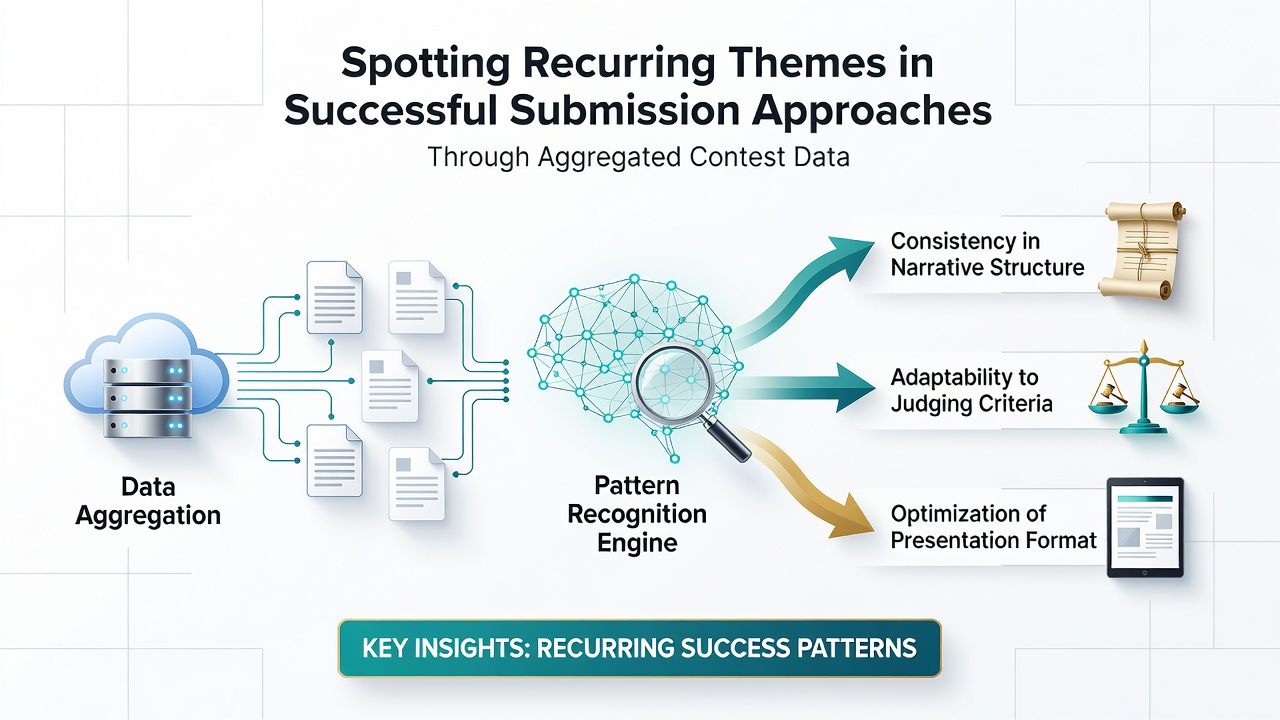
Another recurring element involves the inclusion of unique identifiers or personal details formatted exactly as requested in the rules. Aggregated information reveals that deviations in formatting, even minor ones, reduce the likelihood of an entry advancing past initial screening. Industry reports from research groups focused on consumer engagement confirm this finding across North American and European contest samples collected between 2022 and 2025.
Platform-Specific Observations
Different entry channels exhibit their own consistent themes when data from multiple contests undergoes aggregation. Mobile app submissions, for instance, tend to succeed more often when they include location permissions enabled at the time of entry, whereas web-based forms show stronger correlations with desktop access during business hours. These distinctions surface in combined datasets that merge information from various organizers and platforms.
Those examining the records also note that hybrid approaches, where participants start on one device and complete on another, appear in a smaller share of winning entries. The aggregated view suggests that single-platform consistency aligns better with the automated verification processes used by many contest administrators.
Conclusion
Patterns identified through aggregated contest data provide concrete reference points for understanding submission dynamics, with timing, content structure, and platform use emerging as measurable factors across large sample sets. Continued collection of records into 2026 and beyond will likely refine these observations further, as new contests add fresh entries to existing compilations maintained by academic and regulatory bodies.